Ceylon Tea
History of Ceylon Tea
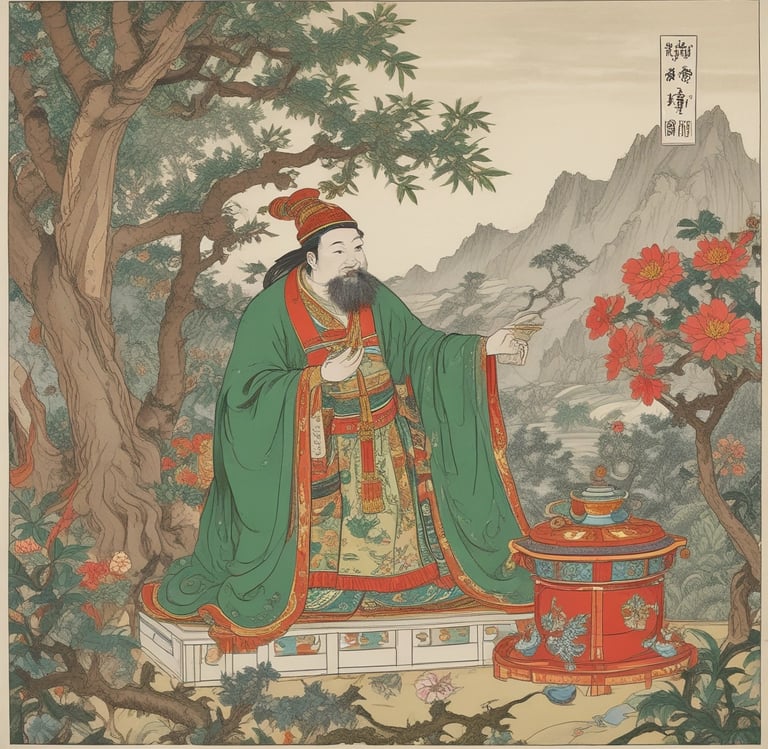
The origin of Tea was with the Chinese Emperor ShenNung who was boiling water when the leaves from a nearby plant Camellia sinensis plant floated into the pot. The emperor drank the mixture and declared it gave one "vigor of body, contentment of mind, and determination of purpose." Perhaps as testament to the emperor's assessment, the potion of tea he unwittingly brewed that day, today is second only to water in worldwide consumption!"
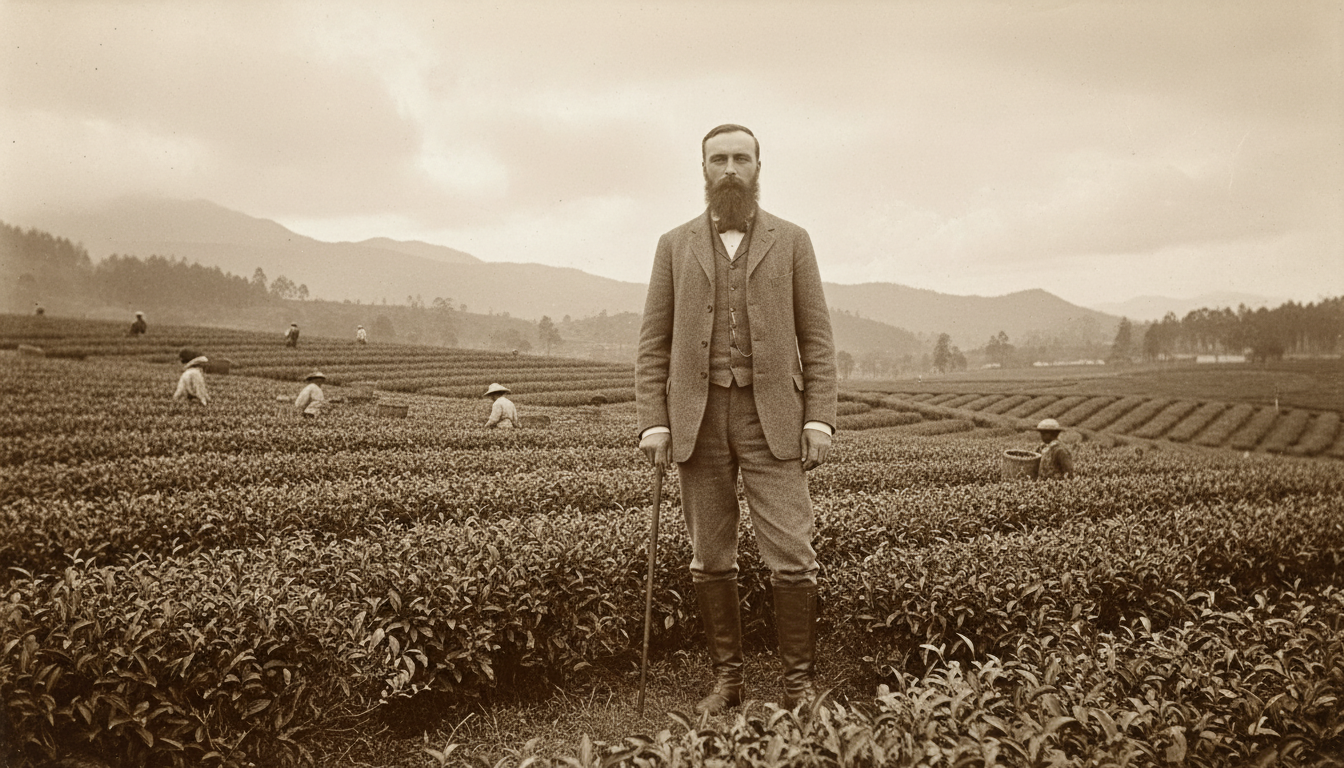
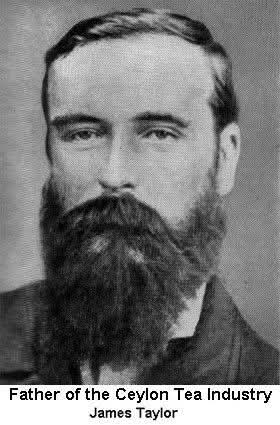
James Taylor - Father of Ceylon Tea Industry
James Taylor, the pioneer of tea industry in Ceylon was born to Michael & Margaret Taylor at Moss park, Monboddo Estate, Laurancekirk in Kincardineshiro, Scotland in 1835 (two years before Queen Victoria ascended the throne). Setting out from London on October 22, 1851 as a youth of 17 he arrived in Ceylon in 1852 and on arrival was sent to Loolcondera estate in Hewaheta a few miles distance from Kandy.
This was the period coffee had been grown on most plantations in the hill country. As the coffee plantation had been destroyed by a fungus, tea plantation took its place and became the alternative crop to grow.
Taylor first started commercial planting of tea in 19 acres at Loolcondera Estate in 1867. The seed he used had been brought from Assam. As a result of his exhaustive pioneering efforts, in time to come the tea industry took deep roots in the economy of the island with James Taylor being acknowledged “The Father of Ceylon Tea Industry”.
At the beginning, James Taylor made his tea in the bungalow verandah with the leaf being hand-rolled on tables. Clay stove & charcoal fires were used for firing the oxidized leaves. It was a long process of trial and error. His first teas sold locally & were declared delicious.
Always willing to learn, he consulted people with experience, especially several Assam planters. Said Taylor, “with regard to the manufacture of tea, I learned that mainly from others & from reading but it took a lot of experimenting before I was very successful. Mr. Nobel, an Indian tea planter from Cacher, passed through to see a neighboring coffee Estate, and I got him to show me the way to pluck & wither & roll with a little leaf growing on some old tea bushes in my bungalow garden”.
Later however more equipment was introduced into his tea house & the first roller ever made in Ceylon was used in it.
The first shipment of Ceylon tea comprising 23 pounds in two small packs was sent to the London tea auction. The value of the shipment was 58 rupees. In 1873, his first quality teas were sold for a very good price at the London auction.
It was a small step for a man but a giant leap that paved the way for a flourishing trade, leaving behind a rich heritage that is treasured to this day.
James Taylor put his heart & soul into cultivating tea. He was never married, his first & last love being tea.
During the forty years he spent in Sri Lanka, he took a holiday and spent it studying tea in Darjeeling. James Taylor died of dysentery in Sri Lanka in 02nd May 1892 at the age of 57 years, & buried at “Mahaiyawa Cemetery” in Kandy.
Remains of the equipment used by James Taylor have been shifted to Ceylon Tea Museum & are on display at the “James Taylor Section “at the Ceylon Tea Museum premises at Hanthana, Kandy.
The rise of the Ceylon Tea Industry
Tea plant belongs to the genus Camellia and of the species: sinensis [from China] and assamica [from Assam] but is now commonly referred to simply as: Camellia sinensis. Today, a vast number of hybrids exist, developed to take advantage of the strengths and weaknesses of each variety, and to adapt plants to the specific geographical and climatic circumstances of each area. The plants did not figure among the local flora on the island of Ceylon, a British crown colony, until the early 19th century when several entrepreneurs used their estates as test plots. In 1839, Dr. Wallich, head of the botanical garden in Calcutta, sent several Assam tea plant seeds to the Peradeniya Estates near Kandy. This initial consignment was followed by two hundred and fifty plants, some of which went to NuwaraEliya, a health resort to the south of Kandy at an altitude of 6,500 feet. The NuwaraEliya experiment produced excellent results. Seeds of Chinese tea plants, brought to Sri Lanka by travellers such as Maurice de Worms, were also planted in the Peradeniya nurseries, although these yielded disappointing results and Chinese plants were gradually abandoned in favour of the Assam variety that is now grown on every estate in Sri Lanka.
Tea cultivation nevertheless remained a minor activity for twenty years. Coffee remained the island's main export crop. However in the 1870s the dreaded blight systematically destroyed coffee plants. The entire coffee industry was destroyed. Tea then appeared as a godsend and the entire local economy shifted to the new crop within a few years. This rapid substitution owed a great deal to the fruitful initiative of a man named James Taylor.
In 1851, near Mincing Lane, which was later renowned as the tea center of the world, Taylor had signed on for three years as an assistant supervisor on a coffee plantation in Ceylon. The sixteen year old Scot, son of a modest wheelwright, would never see his native land again. Five years after he took up his post, his employers, Harrison and Leake, impressed by the quality of his work, put Taylor in charge of the Loolecondera Estate and instructed him to experiment with tea plants. The Peradeniya nursery supplied him with his first seeds around 1860. Taylor then set up the first tea factory on the island. It was in fact a rather rudimentary set up. The factory soon became famous throughout the island. In 1872, Taylor invented a machine for rolling leaves, and one year later sent twenty-three pounds of tea to Mincing Lane. Taylor trained a number of assistants, and from that point on; Ceylon tea arrived regularly in London and Melbourne. Its success led to the opening of an auction market in Colombo in 1883, and to the founding of a Colombo tea dealer's association in 1894.
Taylor continued to test new methods and techniques at the Loolecondera Estate (which he would never own) until the end of his life. He never left the estate, except for a single short vacation in 1874 spent at Darjeeling, needless to say, in order to study the new tea plantations. His talent and determination were officially recognised when Sir William Gregory, Governor of Ceylon, paid Taylor a visit in 1890 to congratulate him on the quality of his tea. But the rise of the industry nurtured by James Taylor was also the cause of his downfall. Rapid growth was accompanied by a concentration of capital in the hands of large Corporations based in Britain, and a wave of property consolidation forced out smaller planters. Interestingly, Lovers' Leap is the first and only tea garden owned by James Taylor, the Pioneer of Tea Industry in Sri Lanka. In 1892, he died suddenly of dysentery at the age of fifty-seven, on his beloved soil at Loolecondera. His grave in Mahaiyawa Cemetery is inscribed as follows,
"In pious memory of James Taylor, Loolecondera Estate, Ceylon, the pioneer of tea and cinchona enterprise, who died on May 2, 1892, aged 57 years".
The 1884 and 1886 International Expositions held in London introduced the English and foreigners to teas produced in the British Empire. But it was at the 1893 World Fair in Chicago that Ceylon tea made a tremendous hit; no less than one million packets were sold. Finally at the Paris exposition of 1900, visitors to the Sri Lanka Pavilion discovered replica tea factories and the five o-clock tea that became so fashionable. The promotional policy was so effective that by the end of the 19th century, the world tea was no longer associated with China, but with Ceylon. The island's prosperity sparked covetousness on the part of British companies and London brokers, who wanted to acquire their own plantations and cut out the middlemen. This marked a turning point in the saga of tea; pioneers gave way to merchants whose name or label would soon become more important than the country in which the tea was grown.
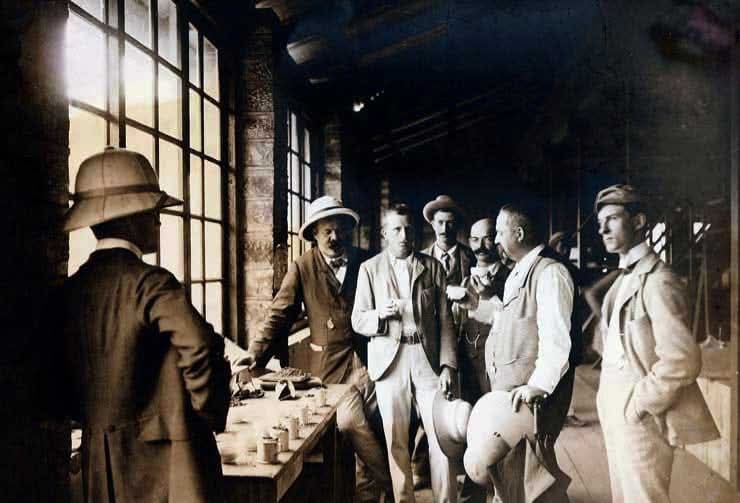
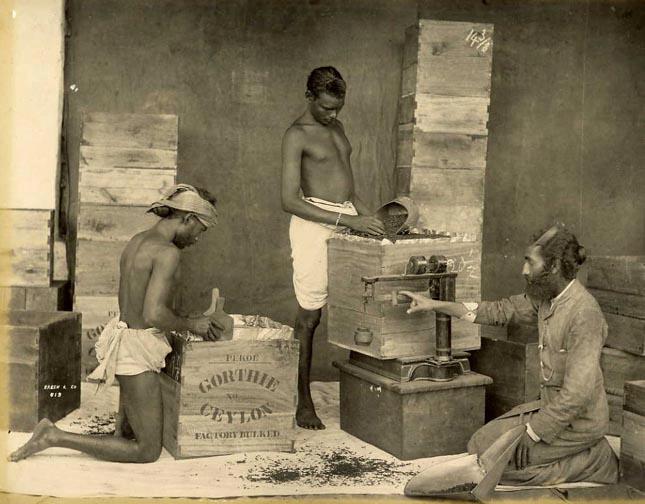
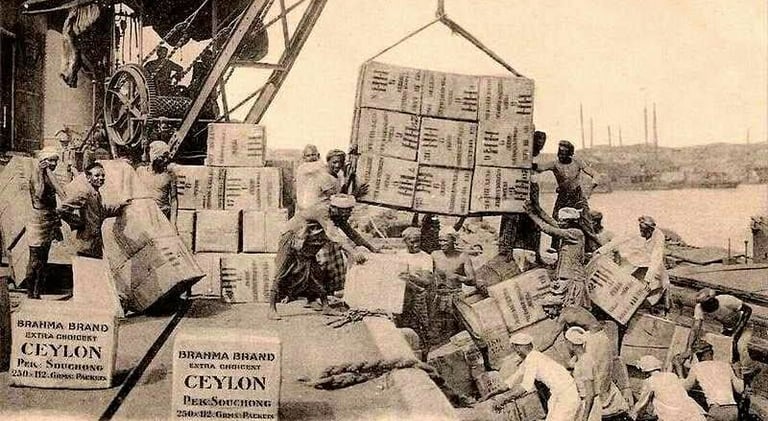
Until the 1860’s the main crop produced on the island of Sri Lanka, then Ceylon, was coffee. But in 1869, the coffee-rust fungus, Hemileiavastatrix, killed the majority of the coffee plants and estate owners had to diversify into other crops in order to avoid total ruin. The owners of Loolecondera Estate had been interested in tea since the late 1850’s and in 1866, James Taylor, a recently arrived Scot, was selected to be in charge of the first sowing of tea seeds in 1867, on 19 acres of land. Taylor had acquired some basic knowledge of tea cultivation in North India and made some initial experiments in manufacture, using his bungalow verandah as the factory and rolling the leaf by hand on tables. Firing of the oxidized leaf was carried out on clay stoves over charcoal fires with the leaf on wire trays. His first teas were sold locally and were declared delicious. By 1872, Taylor had a fully equipped factory, and, in 1873, his first quality teas were sold for a very good price at the London auction. Through his dedication and determination, Taylor was largely responsible for the early success of the tea crop in Ceylon. Between 1873 and 1880, production rose from just 23 pounds to 81.3 tons, and by 1890, to 22,899.8 tons. The first vessel recorded as carrying Ceylon tea to England was the steam-ship ‘Duke Argyll’ in 1877.
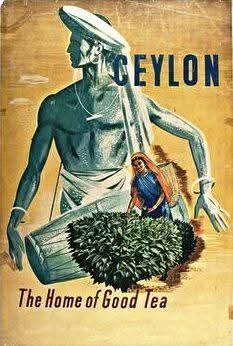
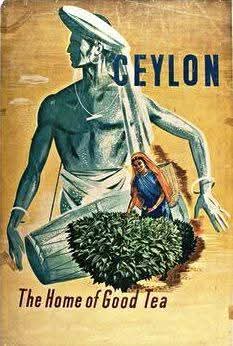
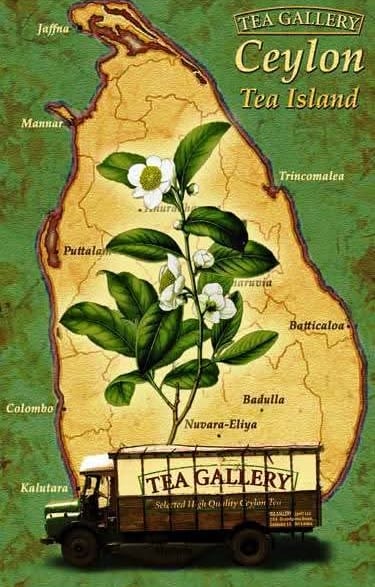
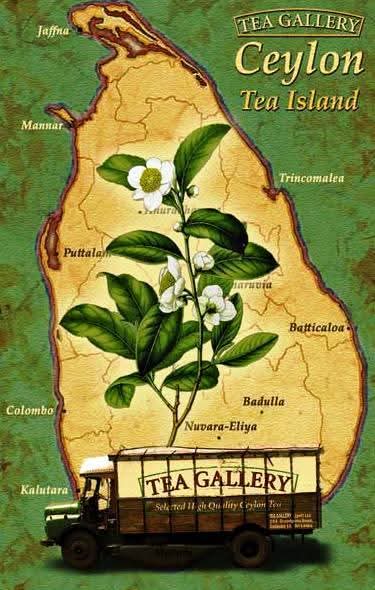

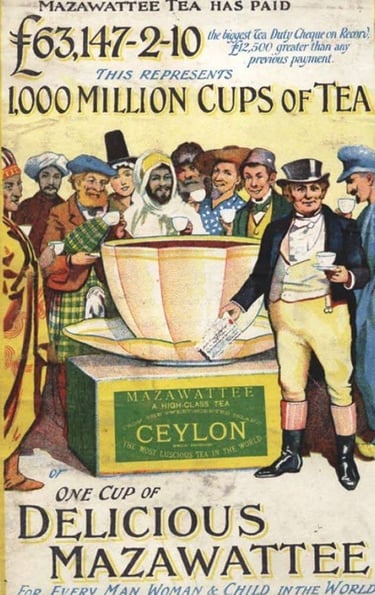
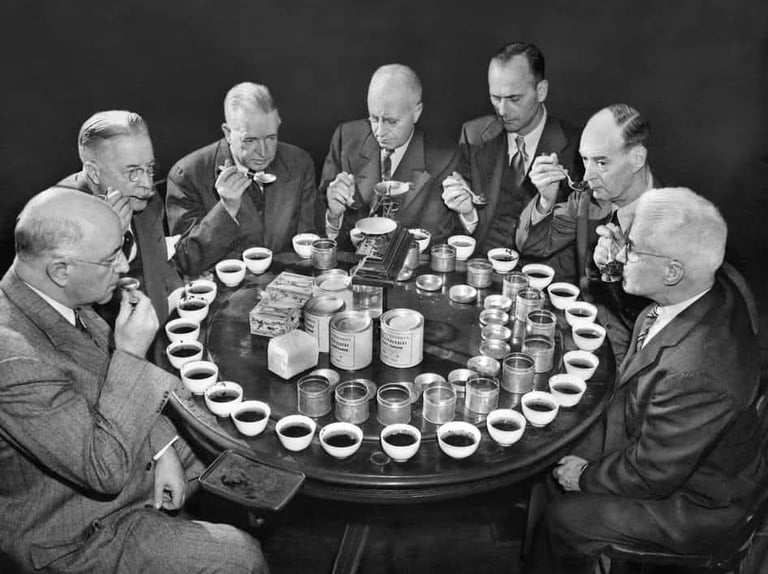
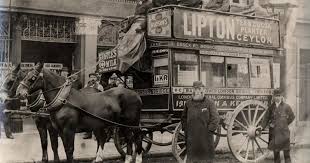
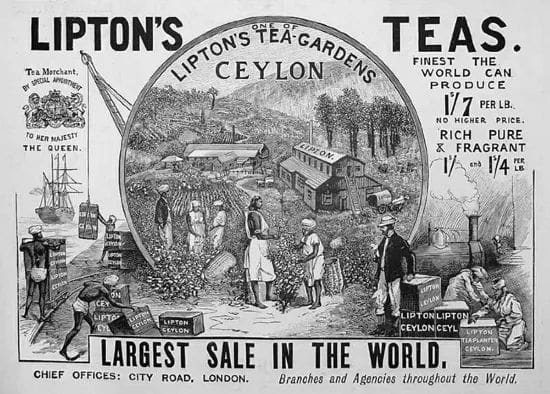
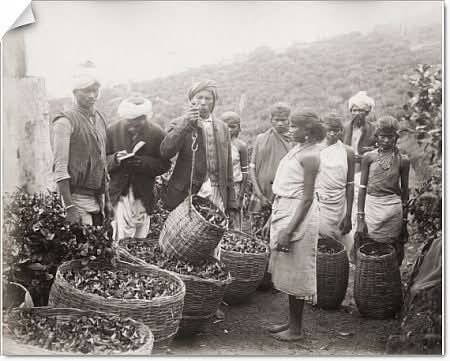
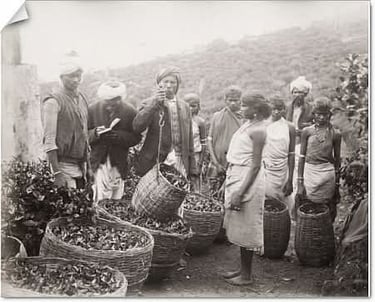
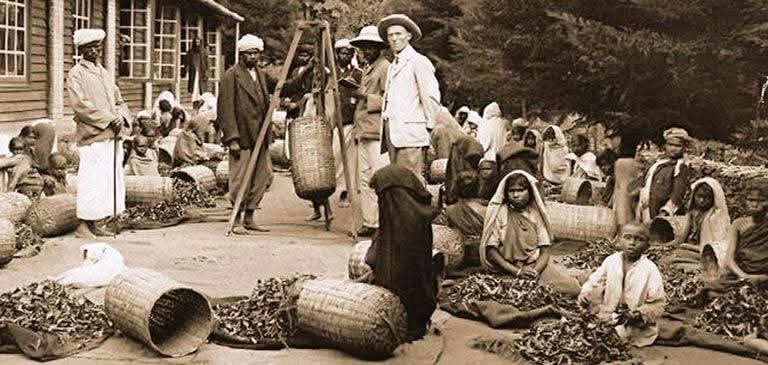
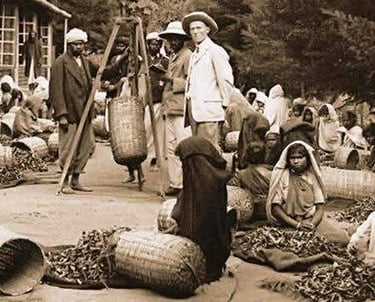

Rapid expansion of the Ceylon's tea industry in the 1870s and 80s brought a good deal of interest from the large British companies, which took over many of the small estates. Four estates were purchased by a grocer whose name is almost a synonym for tea: Thomas J. Lipton. Son of poor Irish immigrants, Lipton grew up amidst the slums of Glasgow. He left school at the age of 10 to help support his family and in 1865 sailed to America to work as a manual laborer and later managed a successful New York grocery store. It was here that he learned all the tricks and techniques of advertising and salesmanship that he later used to great effect when selling groceries and tea back in England and Scotland. He returned to Glasgow in 1871 and worked for a couple of years in the grocery shop run by his parents. By the age of 21, he had opened his own store, where he practiced the retailing skills he had learned in America. His imaginative marketing and clever publicity stunts brought his new venture rapid success. In 1890, already a millionaire, Lipton was in need of a holiday and booked a passage to Australia. On the way, he broke his journey in Ceylon. He had an interest in tea as a product to sell in his shops. Lipton did not trust middlemen, and wanted to explore the possibilities of growing tea and bringing it direct to Britain. He couldn't have picked a better time. Since the problems of the coffee blight, plantations in the island were going for a song. He bought four and could now fully control his company's tea's quality and price.
Tea was quite expensive in Britain at that time, and was selling at a higher price than most working-class families could easily afford. Lipton's plan was to reduce its cost by cutting out the numerous middlemen, and render it affordable for the average British shopper. His other novel idea was to begin packaging it. Instead of selling it loose from the chest, as was the custom at that time, Lipton packed his tea in brightly-colored, eye-catching packets bearing the slogan "Straight from the tea gardens to the tea pot." Lipton's foray into tea was a huge success, and vastly increased his wealth. His 300 shops throughout England soon could not keep up with the growing demand for his inexpensive product, and so Lipton teas became available in other stores around Britain. The name of Lipton had migrated from a chain of grocery stores and became a trademark soon to be famous the world-over. James Taylor's legacy, on the other hand, is best summed up in the words of John Field, High Commissioner for Great Britain in Sri Lanka. In 1992 he wrote, "It can be said of very few individuals that their labors have helped to shape the landscape of a country. But the beauty of the hill country as it now appears owes much to the inspiration of James Taylor, the man who introduced tea cultivation to Sri Lanka.
Introduced in 1867, Ceylon Tea has grown to be the top agriculture export in Sri Lanka and provides direct and indirect employment to nearly 1 million people while around 4% of the country’s land area is covered in tea plantations amounting to nearly 203000 hectares.
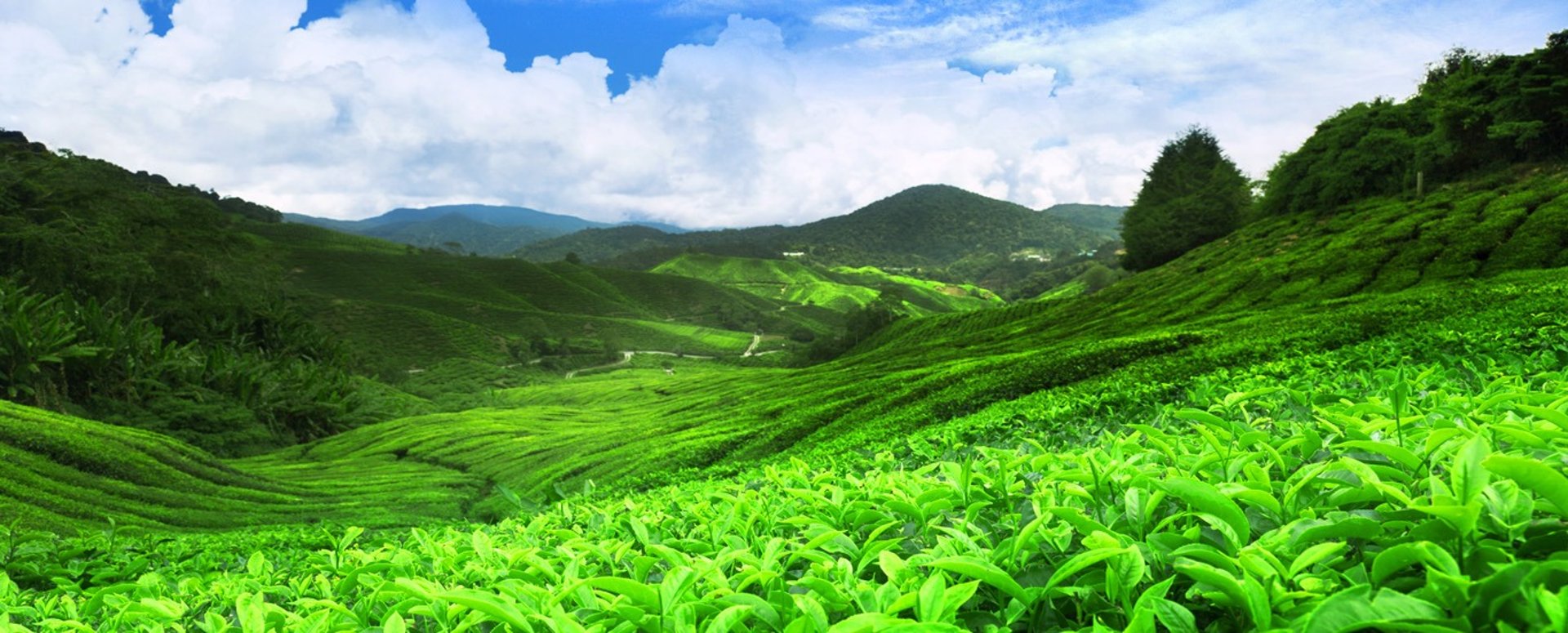
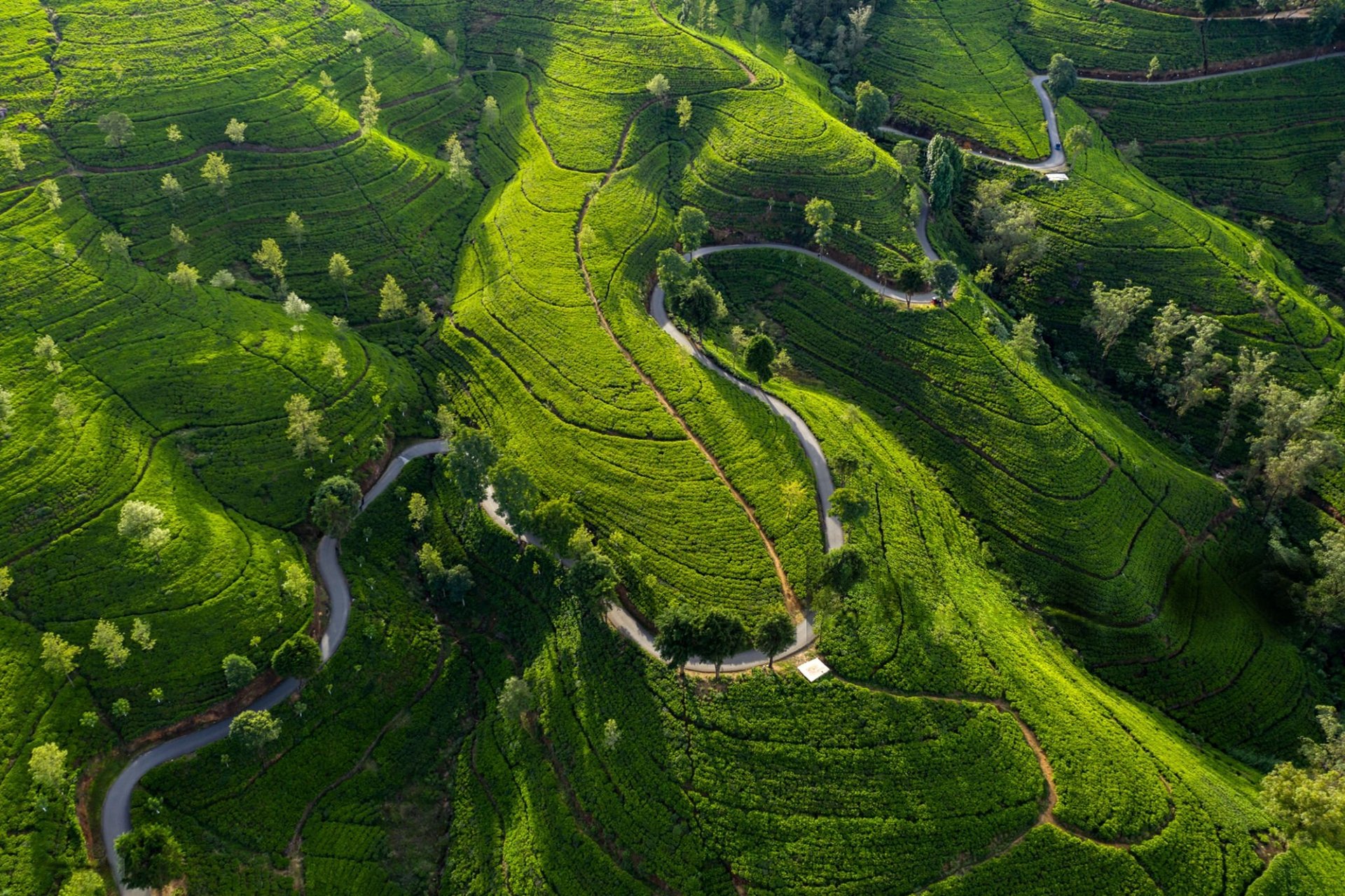
Sri Lanka is an island made for tea. The country produces tea throughout the year and the total tea production is about 340 million kilograms per annum. Sri Lanka’s tea-growing areas are mainly concentrated in the central highlands and southern inland areas of the island.
Tea grown in these areas are broadly grouped according to their elevations, with high grown tea sourced from tea plantations found from 1200 m upwards; medium grown tea from estates scattered between 600 m to 1200 m and low grown tea from sea level up to 600 m.
In addition, Sri Lanka’s tea-growing areas are also divided into seven main regions based mainly on the terroir, namely Nuwara Eliya, Uda Pussellawa, Uva, Dimbula, Kandy, Sabaragamuwa, and Ruhuna. Each area produces a uniquely flavoured Ceylon Tea, mainly due to the contrasting elevation, climate, and terrain in each region.
Ceylon Tea’s distinct flavour is also governed by it being exclusively handpicked mainly according to the two leaves and bud method, and almost 93% of the Ceylon Tea produced annually is produced according to artisanal and orthodox methods compared to CTC method practised worldwide.
At present, a larger portion of the country’s tea is exported as Ceylon Black Tea, while the country also produces Ceylon Green Tea, a type developed from Assamese seedlings. Ceylon White Tea, namely silver and golden tips is celebrated around the world for their finest flavour and are among the most expensive tea varieties in the world.
Ceylon Tea industry maintains the highest quality in the global tea market and ISO 3720 is the minimum standard applies for the products. The country has the capability to produce the cleanest tea in the world in terms of minimum pesticide residues. Methyl Bromide was removed from the production process in 2012. Ceylon Tea also meets the stringent ISO 22000 series and to the health & safety regulations stipulated by the European Community.
Sri Lankan tea planters have also entered into partnerships with Fair Trade Certification, Ethical Tea Partnership, Rainforest Alliance, Ozone Friendly Tea, Carbon Neutral Certification, and Organic Certifications including USDA - NOP, JAS, EU, and NASAA)
Contact us:
SASO TEAS (PVT) LTD,
No. 54,Gangoda Road,
Pilimathalawa, Kandy,
Sri Lanka.
Phone
info@sasoteas.com
+94 - 81 31 33 663
© 2025. SASO TEAS (PVT) LTD - All rights reserved.
+94 - 70 61 33 663
+94 - 77 6107465
Orthodox Hand-made Ozone Friendly PURE CEYLON TEA Organic Lion Logo Decaf Tea Tasting Ethical Rain forest Alliance White Black Green Fair Trade ISO certified